Bring Your Ideas Into Reality With Qualified Printing Services
Transforming ideas into tangible goods is an task often sidelined. Specialized printing services offer a solution through advanced systems and expertise. They guarantee high-grade output that complement a brand's identity. Nonetheless, selecting the right options and grasping the complexities can be problematic. Assessing the benefits and strategies of these offerings indicates how they can strengthen one's aspirations. The next steps in this journey may harbor the answer to securing powerful outcomes.
The Advantages of Professional Printing Services
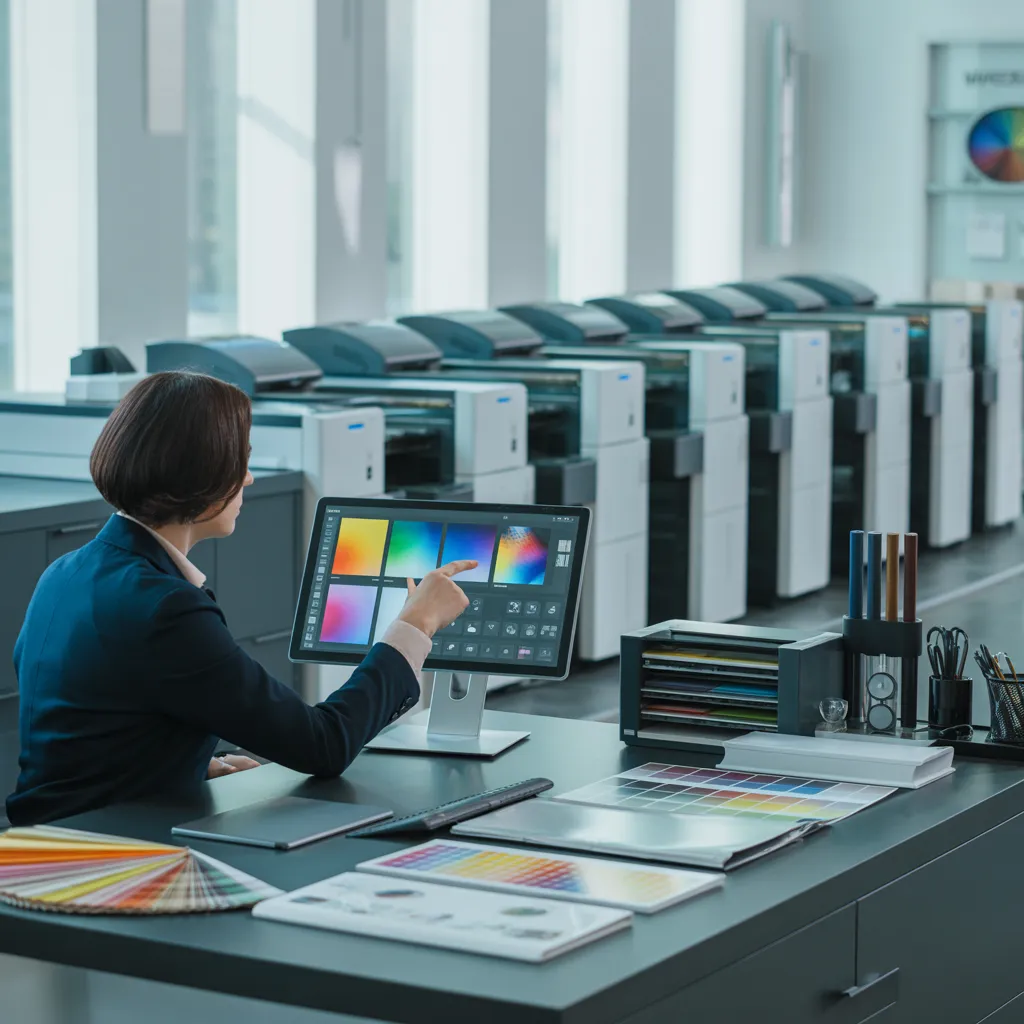
Professional printing services offer a collection of benefits that can greatly enhance the quality and performance of printed materials. These services deliver to sophisticated equipment and equipment, making certain premium quality prints that are striking and professional. By utilizing specialized techniques, such as offset or digital printing, firms can achieve a polished look that enhances their branding efforts.
Moreover, professional printers often possess expertise in color management and paper selection, which can significantly affect the final product. This expertise allows for uniformity across multiple prints, creating a unified brand appearance. Additionally, outsourcing printing tasks can conserve time and costs, allowing individuals and businesses to focus on their primary business activities.
Finally, specialized print companies often offer support on design and layout, making sure that the final outcome meets the client's expectations. Overall, these strengths help develop striking print content that effectively communicate messages and connect with readers.
Choosing the Right Print Solutions for Your Project
Identifying the appropriate printing settings for a assignment can greatly influence its success. Multiple aspects must be considered, encompassing the classification of content, printing approach, and coating. For example, choosing between digital and offset printing is determined by the amount and intricacy of the task. Digital printing is ideal for limited quantities, while offset printing stands out in greater quantities and quality consistency.
Moreover, the selection of paper can alter the final appearance and texture of the printed material. A polished surface may enhance colors, while non-glossy can give a more softened look. Additionally, options such as binding options and size should be in line with the project's purpose and target audience.
Ultimately, studying these elements guarantees that the chosen printing alternatives not only fulfill the project's requirements but also resonate with the core message, thereby enhancing its overall potency and appeal.
Design for Print: Advice for Maximum Impact
Effective design for print relies on the power of graphic messaging. To realize greatest effect, visual creators must highlight clarity and simplicity. Utilizing a limited color scheme can strengthen brand identity while guaranteeing that the message stands out prominently. Superior-quality images are vital, as pixelation can undermine professionalism.
Typography is crucial; opting for clear typefaces and proper proportions ensures that text is straightforward to read. Designers should also establish a clear hierarchy, steering the viewer's eye from the most important information to supporting details.
White space is more than empty space; it enhances readability and permits key elements to stand apart. Consistency across the design, including colors and fonts, reinforces branding and creates a cohesive appearance. Finally, factoring in the printing process early during design can help issues and improve the final product. Through the use of these methods, designs can effectively communicate messages and leave a lasting impression.
Main Expense Factors for Professional Printing Operations
Grasping the price elements in professional printing is vital for those seeking to create high-quality materials. Multiple factors find here affect the overall price, such as the type of paper used, the design complexity, and the printing technique picked. Superior paper options can greatly increase costs, while custom finishes, including gloss or matte, introduce additional expense.
In addition, the volume of the print run is an important component; larger quantities often benefit from economies of scale, reducing the per-unit cost. The turnaround time can also influence pricing, as expedited services typically incur higher fees.
Finally, any supplementary services, such as binding, trimming, or custom packaging, will affect the overall cost. By grasping these factors, clients can reach informed conclusions and modify their work to fit their budget while achieving the desired quality.
Success Stories: Transforming Ideas Via Print
Changing thoughts into palpable products can be a powerful experience, and many enterprises have successfully leveraged professional printing services to amplify their brand presence. One impressive success story involves a small artisanal bakery that sought to boost its packaging. By collaborating with a local printer, they developed custom-designed boxes that reflected their brand's aesthetic. The result was an increase in customer interaction and sales.
One example is a tech startup that wanted promotional materials for a product launch. They used vibrant brochures and striking visuals manufactured through professional printing. These materials not only captured attention but also demonstrated the brand's pioneering character, leading to successful pre-orders.
These stories exemplify how professional printing services can transform notions into powerful visual content, finally driving business growth and creating lasting impressions. Each milestone emphasizes the potential of printed communication to express a business identity competently.
Regularly Asked Questions
Which File Types Can Be Used for Printing Purposes?
A range of formats are accepted for print jobs, including PDF, JPEG, TIFF, and PNG. Each file format serves particular needs, with PDFs favored for high-quality text and graphics, while JPEGs and PNGs perform excellently in digital images.
What is the standard duration for the printing process?
The printing process typically takes between a few hours to several days, based on the complexity of the project, the quantity of prints needed, and the particular services employed by the printing company.
Can I Ask for a Demo Before Placing a Large Order?
Yes, most printing services enable customers to request samples before submitting sizable orders. This helps assure satisfaction with quality and visual style, allowing revisions if necessary to achieve defined requirements before the final purchase is confirmed.
What if I require to implement changes after submitting My Project?
If alterations are required after sending a design, clients should contact the printing service quickly. Most providers permit modifications within a certain timeframe, ensuring adjustments can be made before final production begins.
Do sustainable printing alternatives are available?
Yes, eco-friendly print possibilities are in stock. Many firms offer responsible materials, such as waste-recovered paper and soy-based inks, lowering ecological consequences while keeping excellence. Patrons are urged to inquire about these possibilities when placing their requirements.